
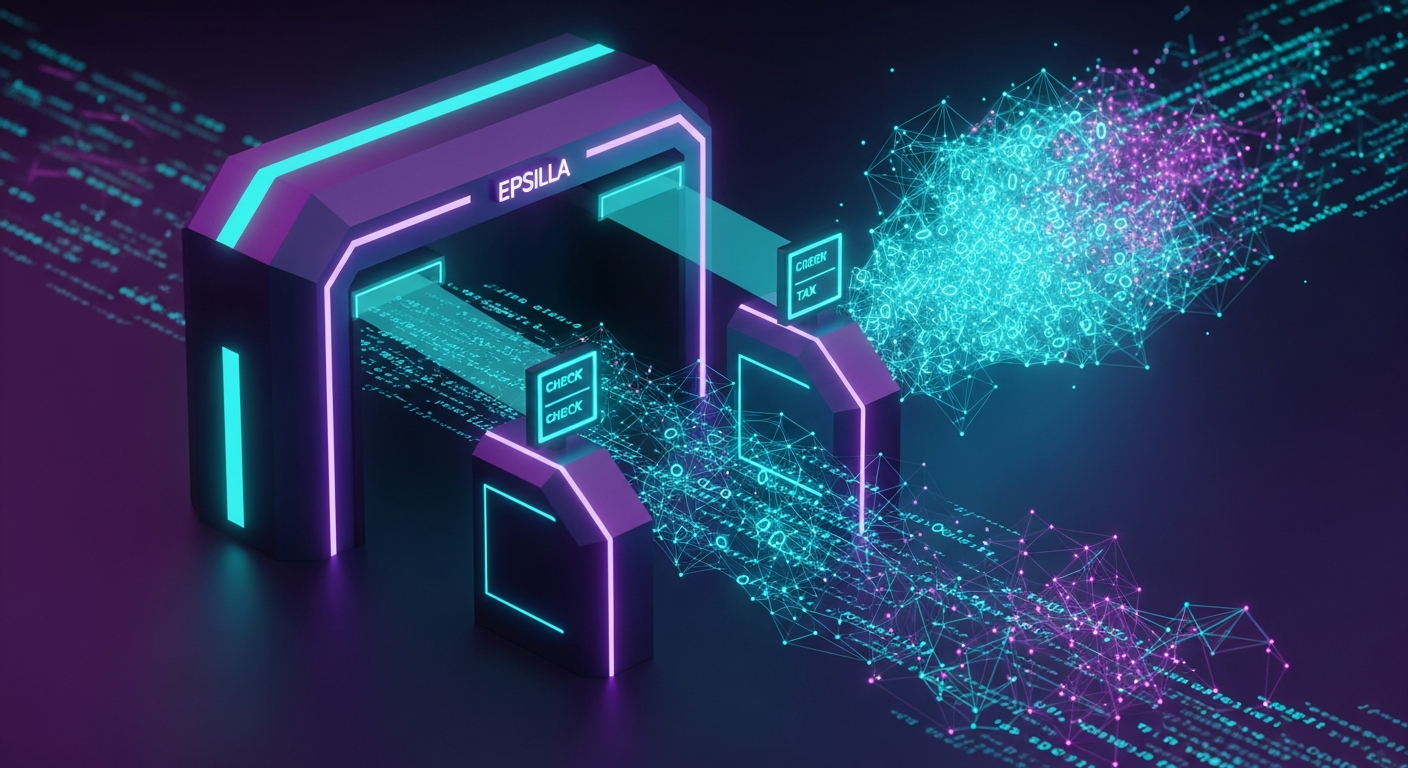
As AI continues to supercharge developer productivity, a new bottleneck is emerging in the software development lifecycle: the human code review. With pull requests (PRs) piling up faster than ever, engineering teams are struggling to keep pace. Anthropic's answer is a new CI-integrated service, Claude Code Review, designed to have an AI agent automatically vet PRs before a human ever sees them.
It’s an attractive proposition, but it comes with a steep price—what we're calling the new "Code Review Tax."
The New Tax: $25 Per PR and a 20-Minute Wait
Anthropic's pricing model is direct: teams are billed per PR based on token usage, with the average cost landing between $15 and $25. This isn't a monthly subscription; it's a transactional fee for every single pull request.
Let's put that into perspective for a mid-sized enterprise. A 50-person engineering team, where each engineer submits just 1-2 PRs a day, could easily generate 100 PRs daily. At an average of $20 per review, that's $2,000 per day, snowballing to over $700,000 annually. For larger organizations, this cost quickly escalates into the millions.
This service isn't just expensive; it's also slow. An average review takes about 20 minutes. The reason for this latency is also the service's core technical advantage: the AI agent doesn't just analyze the PR diff. It ingests the entire codebase as context to understand the downstream impact of any change.
According to Anthropic, this trade-off is intentional. By allowing the agent to traverse the full repository, it can identify subtle bugs and unintended interactions between modules that a simple diff-based analysis would miss. It’s a thorough, heavyweight approach, but the cost and time implications are significant.
The Architecture: Parallel Agents and the Focus on Logic
When a PR is triggered, Claude Code Review doesn't just spin up a single instance. It orchestrates a fleet of parallel agents. Each agent is tasked with hunting for specific categories of vulnerabilities and bugs.
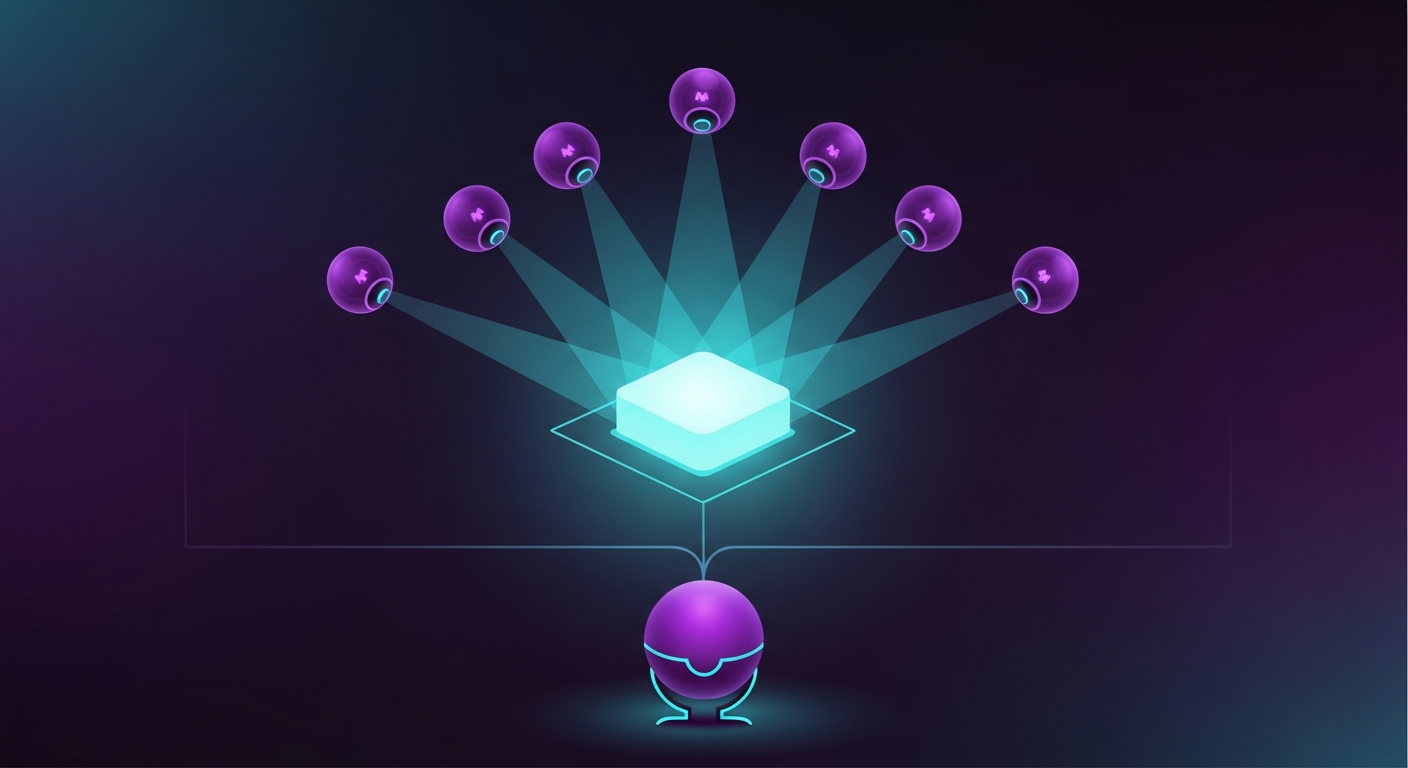
Crucially, Anthropic explicitly designed these agents to ignore code style formatting (linting, variable naming conventions, etc.) and focus exclusively on logic errors. This is a smart architectural decision aimed directly at mitigating "AI fatigue." Developers hate false positives. If an AI generates 50 comments about bracket placement, developers will start ignoring the bot entirely. By tuning the agents to only flag severe logic breaks—where a found bug is almost guaranteed to be a necessary fix—they maintain developer trust.
This approach yields results. Anthropic claims that for large PRs (over 1,000 lines), 84% of their automated reviews uncover actionable issues, averaging 7.5 flagged items per PR. In their own testing, human engineers rejected less than 1% of the bugs flagged by Claude. In a real-world example, the agent caught a dangerous type-mismatch bug in an adjacent file during a ZFS encryption module refactor for TrueNAS—a bug that would have cleared the encryption key cache during sync operations.
The "Player and Referee" Paradox
Despite the impressive technical execution, the product raises a philosophical and operational question: As AI coding assistants (like Claude Code itself) generate more of the initial codebase, we are now paying the same AI vendor to review the code their models just wrote.
The AI is acting as both the player generating the code and the referee judging it.
This creates an uncomfortable dependency loop. If an AI model has a systemic blind spot in how it writes authentication logic, will the same underlying model architecture catch that blind spot during the review phase? Furthermore, from an enterprise perspective, paying a premium to have a vendor fix the bugs its own tools likely introduced feels like a misaligned incentive structure.
The Epsilla Perspective: Breaking the Vendor Lock-In
Anthropic’s Claude Code Review proves that agentic, whole-codebase analysis is the future of CI/CD. However, it also proves that relying on a closed ecosystem is an expensive proposition. Anthropic is charging a premium "tax" because they control the orchestration loop in a black box.
This is exactly why enterprise teams need an open, model-agnostic orchestration layer like AgentStudio.
With Epsilla’s infrastructure, you don't have to pay $25 per PR to a single vendor. You can build this exact parallel-agent code review pipeline yourself, routing tasks dynamically based on complexity and cost.
- Simple styling or syntax checks? Route them to a highly optimized, locally hosted open-source model running on your own infrastructure for pennies.
- Deep architectural logic checks? Route only those specific functions to frontier models when necessary. By owning the orchestration layer, you maintain the powerful "whole codebase" context window without being held hostage by a per-PR tax. You separate the referee from the player, ensuring your code review pipeline is as objective, secure, and cost-effective as possible.